Our Work

Contact Info

The Shift from R Ratings to PTV: A Practical Slip Resistance Guide

R ratings and Pendulum Test Values (PTV) often appear on the same tile specification, but they describe different tests. The right question is how the exact finish performs in the conditions where people will use it: wet or dry, shod or barefoot, level or sloping. Here is a practical way to read the numbers without treating either as a universal pass mark.

Understanding Slip Resistance at a Glance

An R rating comes from a shod ramp test with oil; a PTV comes from a pendulum test that can assess the surface under specified dry or contaminated conditions. They are not interchangeable. HSE interprets pendulum results as follows under the relevant test condition:

Wet PTV*HSE slip potential
0–24High
25–35Moderate
36+Low

*The result must identify its contaminant and slider. Slider 96 is generally used for shod pedestrians; Slider 55 for barefoot areas. A dry result does not substitute for a wet result, nor does a shod result establish barefoot performance. These HSE categories are separate from the informal R/PTV chart below.

Jump to the R rating and PTV comparison

What Are R Ratings?

R9 to R13 are classifications associated with a controlled shod ramp test using oil. Higher classes indicate performance in that particular test. The label remains useful in product descriptions and some specifications, but it does not tell you the product’s wet PTV or its barefoot performance. For poolside and other barefoot spaces, a separate barefoot test and the right end-use assessment matter.

What Is a Pendulum Test Value?

The pendulum swings a standard rubber slider across a surface and records a PTV. It can test a sample in a laboratory or an installed floor, with a report stating the method, slider, condition and direction. BS EN 16165:2021 is the current British adoption of the European test-method standard; its Annex C covers the pendulum method. Older reports may cite BS 7976-2:2002+A1:2013, which BSI lists as withdrawn in 2022. An older report is not automatically useless, but check its method and conditions before comparing results.

R9, R10, R11, R12 and R13 vs PTV: An Indicative Guide

You may see numerical charts online suggesting the bands below. We include them to explain what those charts claim, not as specification targets: UK Slip Resistance Group (UKSRG) says the different methods cannot be converted. The numbers have not been validated as a reliable correlation, and real products can overlap or fall outside them.

R classOften circulated PTV comparison — unverifiedPractical context, subject to actual testing
R9Below 25Often marketed for predominantly dry interiors.
R10About 25–35Often marketed for general residential applications.
R11About 36–50Often marketed for exterior or wetter applications.
R12About 50–70Often marketed for higher-demand applications.
R13About 70+Often marketed for specialist applications.

These approximate figures are informal industry comparisons only, not an official conversion or a prediction of any individual tile’s performance. R ratings and PTV use different test methods and real products can fall outside the suggested bands. Obtain the exact product’s relevant test certificate when a specific result is needed.

For example, an R10 label does not prove PTV 25–35 or rule out a higher wet result. An R11 label does not prove PTV 36, PTV 50 or suitability for a wet barefoot terrace. Use the chart to decode claims you encounter, then ask for the actual report.

What Does PTV 36 Mean?

A PTV of 36 is the start of HSE’s low slip potential category for the condition tested. If a surface is likely to get wet, examine its wet result; for shod traffic look at the appropriate Slider 96 result and for barefoot traffic the Slider 55 result. Dual-use spaces may need both. The number must be read alongside gradients, contamination, cleaning, footwear, wear and the actual users.

PTV 36 is a useful assessment benchmark, not an HSE product approval, a universal legal pass mark or a promise that a floor is suitable everywhere.

Do Residential Properties Need PTV 36?

In England there is no universal Building Regulations rule saying that every internal floor in an ordinary private home must reach PTV 36. A suitable polished porcelain finish need not automatically be ruled out in a predominantly dry living room because its wet PTV is below 36. Choose with the actual use in mind, including foreseeable spillages and the people living there.

Bathrooms, showers, pool surrounds, entrances and exterior areas are more likely to get wet. Stairs, ramps and accessibility needs deserve particular attention. Approved Documents K and M give guidance for relevant building work and access arrangements; they do not impose one PTV value on every domestic room. A specific project brief, contract or accessibility requirement may set a performance target, and workplace or public areas have different duties. If the project is unusual, check the applicable requirements with the designer or building control professional.

Which Slip Rating Is Suitable for Each Room?

These are selection questions, not blanket regulatory thresholds. Ask the supplier for test data for the exact product and finish where performance matters.

AreaPractical starting pointWhat to check
Dry residential living roomChoose the finish for expected use; there is no universal PTV 36 mandate.Spillages, occupants, adjacent wet entrances and cleaning.
Residential kitchenAllow for occasional water and food spills.Footwear, cleaning and relevant wet data if regular wetness is foreseeable.
BathroomConsider splash zones and barefoot use.Wet barefoot data and, if also used shod, the corresponding shod result.
Shower or wet roomPrioritise wet barefoot performance.Slider/test conditions, drainage and soap or shampoo contamination.
Entrance or lobbyExpect tracked-in rainwater; wet PTV 36+ can be a useful low-slip-potential reference for level shod circulation.Matting, footwear, cleaning and how water is managed.
Pool surround or changing roomAssess wet barefoot performance specifically.Slider 55, drainage, slope, contamination and any project requirements; shod data alone is insufficient.
Exterior terraceRequest wet test data for the actual finish.Rain, slope, drainage, leaves or algae, installation and maintenance.
Commercial kitchenAssess realistic grease and food contamination.Footwear, cleaning regime and test conditions relevant to the actual contaminant.
Public or commercial interiorBase specification on the project’s risk assessment.Footfall, entrances, spill risk, gradients and users.

Download Our Free Slip Resistance Specifier Guide

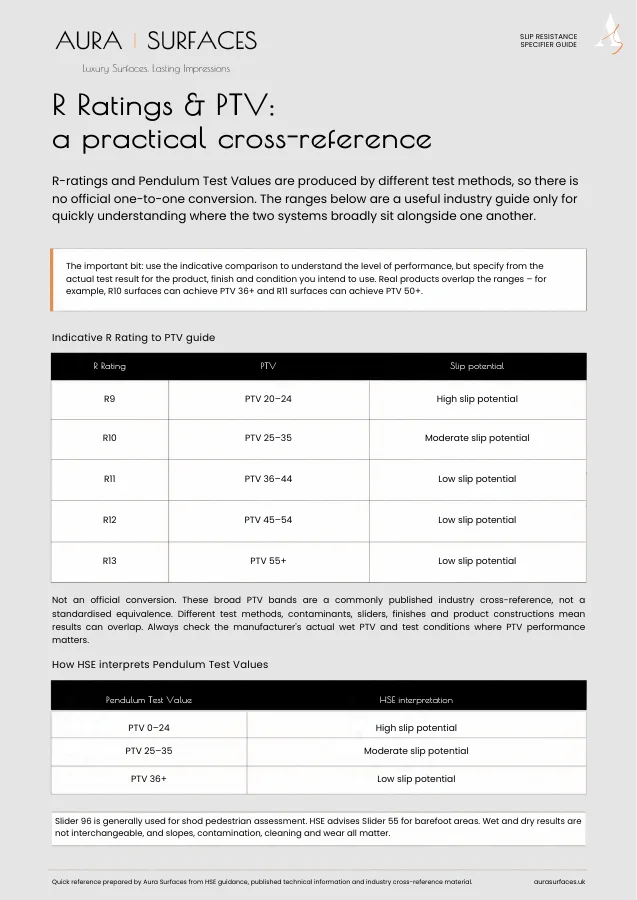
This free two-page guide brings together the HSE PTV categories, a clearly qualified illustration of commonly circulated R/PTV claims and a room-by-room checklist. It is a quick reference, not a substitute for the exact product test report.

Preview of Aura Surfaces two-page slip resistance specifier guide, showing HSE PTV categories and an unverified R/PTV chart

DOWNLOAD YOUR FREE SPECIFIER GUIDE

How to Specify Slip-Resistant Porcelain Tiles

Imagine specifying porcelain for a residential exterior terrace. The supplier lists an R11 finish, but that label alone cannot establish its wet PTV. Ask for the exact finish and format, then work through this short checklist:

  1. Confirm that the report covers the product and finish being ordered, rather than a similar range.
  2. Read the wet pendulum value, the cited standard, slider, contaminant and test directions; ask for barefoot data if users will walk barefoot.
  3. Consider exposure to rain, gradients, drainage and contamination such as leaves or algae.
  4. Plan installation, cleaning and maintenance; performance can change with wear and use.
  5. Where a project needs a specific result, write the relevant test condition into the specification and obtain current manufacturer evidence.

A matching interior and exterior design can look continuous while using different finishes. Check each finish on its own merits rather than assuming visual similarity means identical slip performance. Explore Aura’s outdoor porcelain.

Surface Finishes and Design

Texture can influence slip resistance, and manufacturers offer different finishes for interior and exterior use. The appearance or marketing name of a finish, including “micro-textured” or “anti-slip”, is not test evidence. Coatings may change over time and need a defined maintenance regime. Ask for measured results for the finish supplied, especially where a smooth-looking surface is proposed for a wet area.

Explore Porcelain Surfaces for Your Project

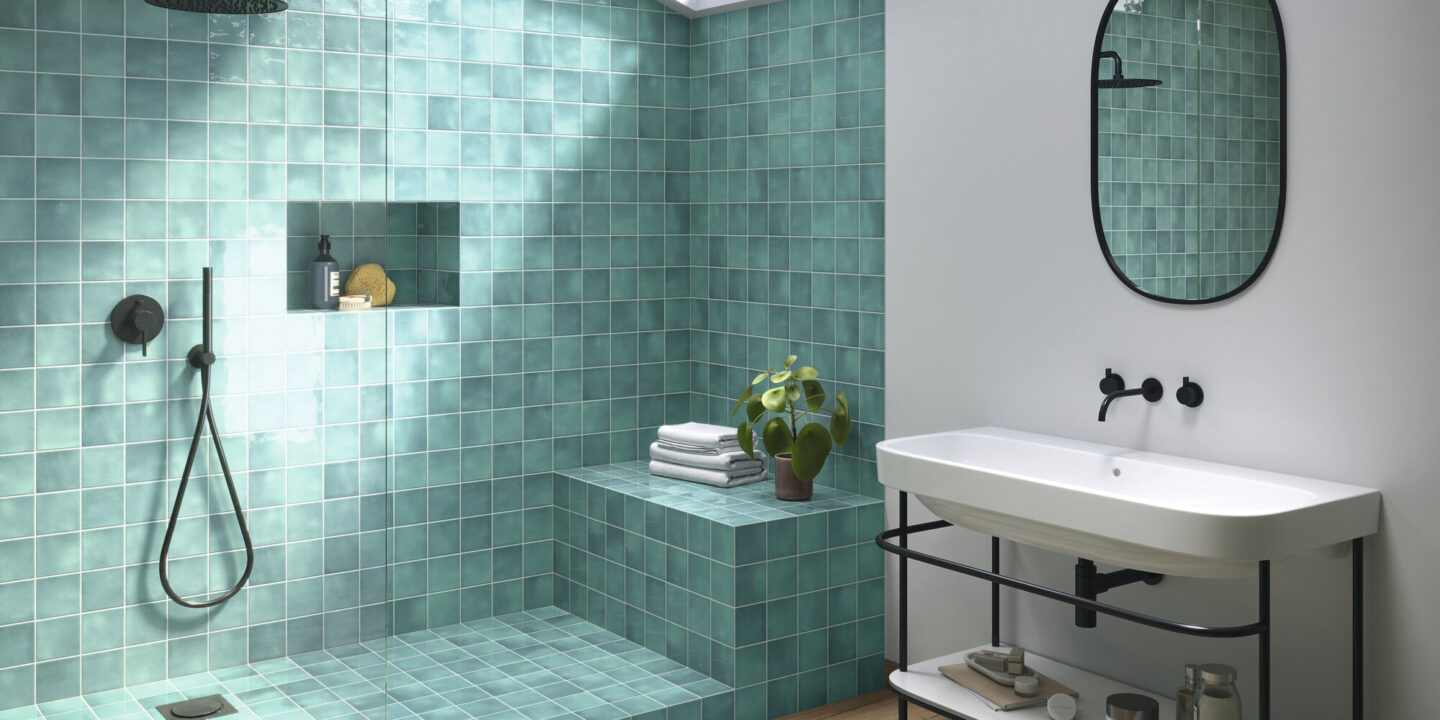
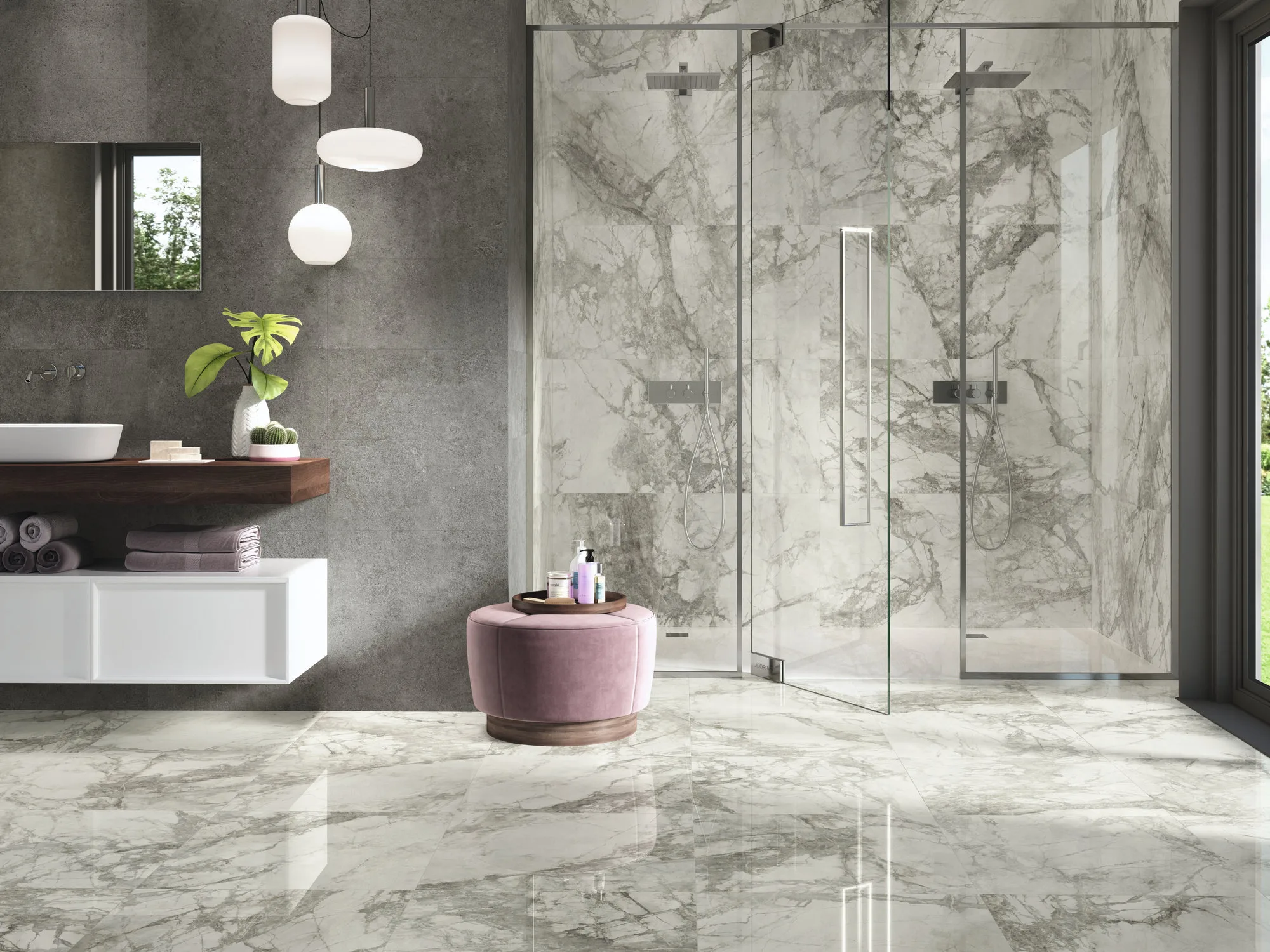
Interior porcelain tile room setting from Aura Surfaces

Interior porcelain

Explore colours, materials and finishes for considered interiors. Check the individual finish’s data for your application.

EXPLORE INTERIOR PORCELAIN

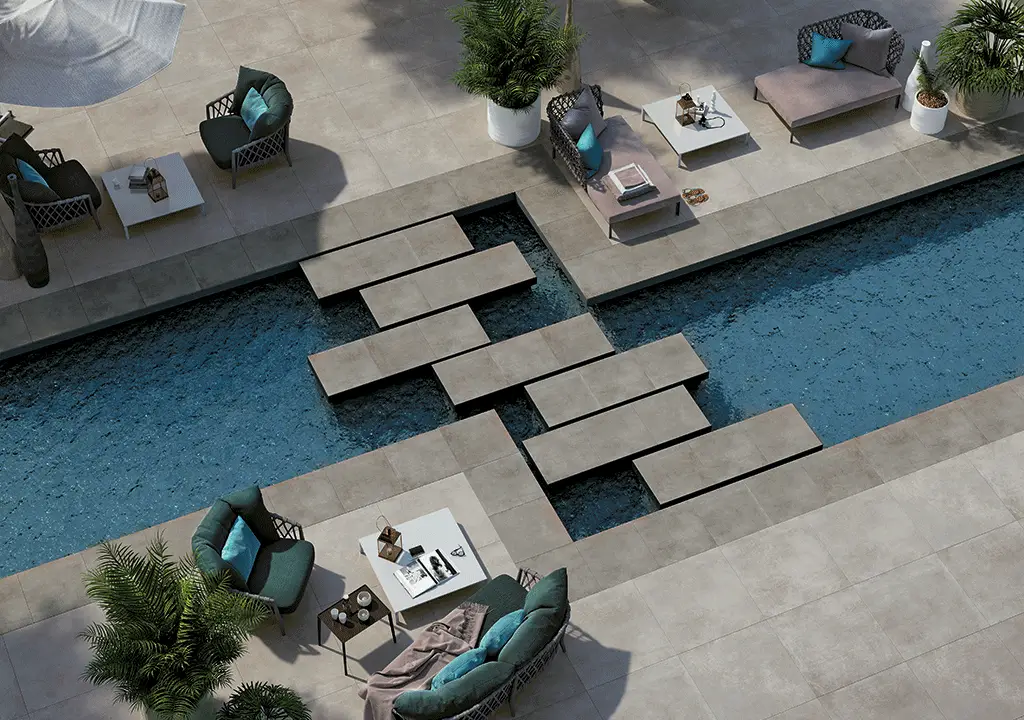
Outdoor porcelain surface from Aura Surfaces

Outdoor porcelain

Browse exterior slabs and ask us about relevant wet test data and installation details.

EXPLORE OUTDOOR PORCELAIN

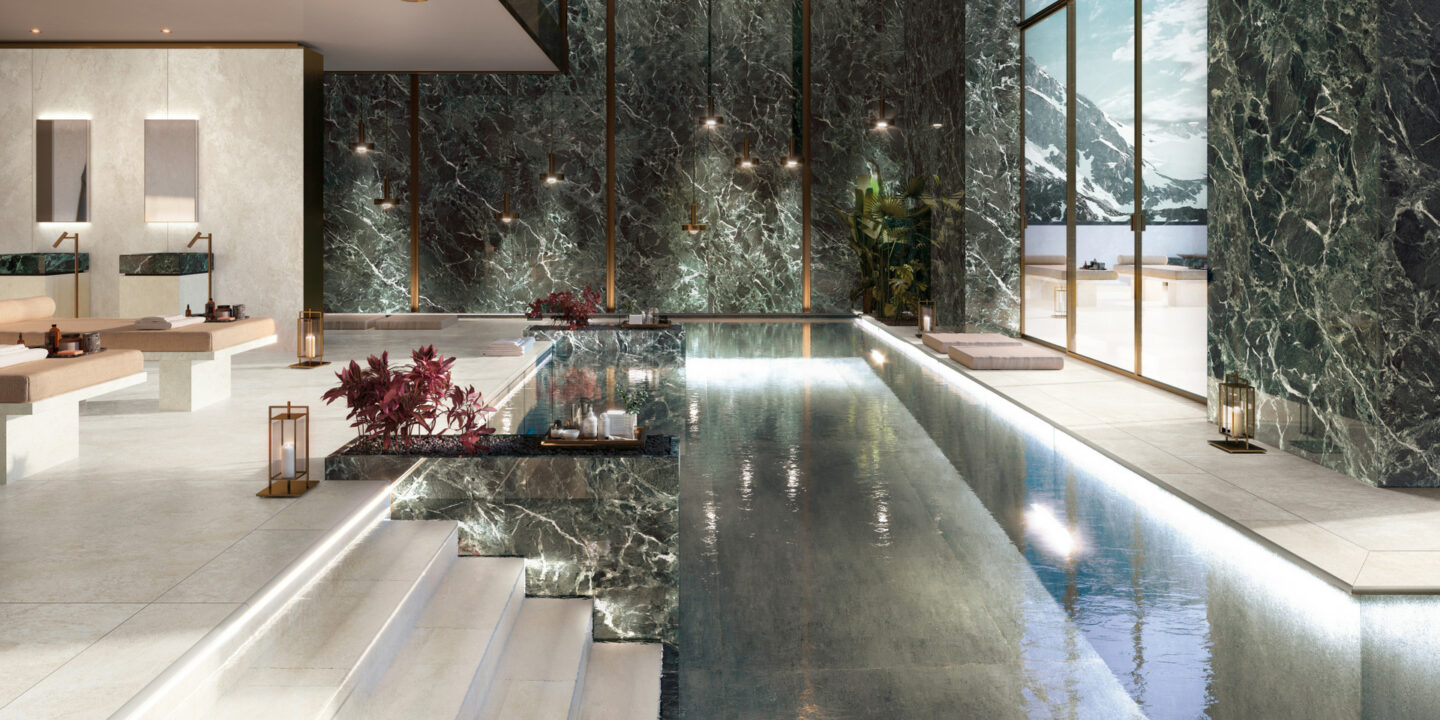
Porcelain surface shown in Aura Surfaces swimming-pool collection

Swimming-pool surfaces

Explore poolside surfaces, then assess the exact finish for wet barefoot use.

EXPLORE POOL SURFACES

Frequently Asked Questions About Slip Resistance

Is PTV 36 equivalent to R10 or R11?

No. PTV 36 is the beginning of HSE’s low-slip-potential band for the tested condition; an R class is a different ramp-test classification. There is no reliable conversion. Ask for a wet pendulum report for the exact finish.

What’s the difference between R10 and R11?

R11 is a higher class than R10 in the shod, oil-contaminated ramp test. Neither class alone establishes wet PTV or suitability for a particular room.

What does PTV 58 mean?

It is a pendulum result above HSE’s 36+ low-slip-potential threshold under the reported test conditions. Check whether 58 was measured wet or dry, with which slider, on which finish and in which direction. It is not a general certification for every use.

Do residential bathroom tiles need PTV 36?

There is no universal PTV 36 rule for every bathroom floor in an ordinary private home in England. Water and barefoot use make the relevant wet barefoot result particularly useful; assess the actual bathroom and any project requirements.

Are R11 tiles suitable for external terraces?

They may be, but the R11 label does not prove wet performance for the particular terrace. Ask for wet pendulum data and consider slope, drainage, contamination and maintenance.

Can polished porcelain be used in private homes?

Yes, it can be a considered choice for a predominantly dry residential room. Consider foreseeable wetness and occupants; a polished finish should not be assumed suitable for a shower, entrance or terrace without relevant evidence.

What is the difference between wet and dry PTV?

The surface is tested under different conditions. A high dry result does not predict its wet result. Read the report’s contaminant and slider before using the value.

Are R ratings still relevant in the UK?

Yes, they remain common product information and may feature in specifications. For a UK assessment of water-wet pedestrian slip potential, the relevant pendulum result often answers a different and more useful question. Use both descriptions in their proper context.

Need Help Making Sense of Slip Ratings?

If you’re working on a project and need to be clear about slip resistance, get in touch with Aura Surfaces. We can help you understand the available test data, compare finishes and identify the right questions to ask before specifying a surface. Whether you’re selecting porcelain for a residential bathroom, an external terrace or a large commercial development, we’re happy to help you explore the available options.

CONTACT AURA SURFACES

Technical references

About this guide. This article has been prepared by Aura Surfaces following our own research into slip-resistance testing, recognised industry guidance and our experience working with porcelain surfaces. It is intended as a practical reference to help designers, contractors and homeowners better understand R ratings, PTV results and the considerations involved in selecting suitable materials. Slip resistance can be affected by product finish, wet/dry conditions, footwear or barefoot use, contamination, cleaning, installation and wear. Check individual product test data and the requirements of each project before final specification.

Book Your Private Consultation

Consultations are a friendly way for us to learn more about your project, no sales tactics, just opening the door to what's next.

Name